The Importance of Website Speed
Website speed plays a crucial role in the landscape of online presence, affecting both search engine optimization (SEO) and user experience. In today’s digital age, where users expect instantaneous access to information, the speed at which a webpage loads can significantly determine whether visitors remain engaged or leave the site. Research has consistently shown that faster websites experience lower bounce rates, meaning visitors are more likely to stay to explore additional content instead of exiting quickly due to frustration over lengthy load times.
From an SEO perspective, search engines like Google prioritize fast-loading websites in their ranking algorithms. A site that loads quickly is more likely to achieve higher positions in search results, directly impacting visibility and organic traffic. Speed is a ranking factor in Google’s Core Web Vitals, and as the competition for online visibility intensifies, optimizing website speed becomes essential for any business aiming to enhance its reach. Moreover, research suggests that even a one-second delay in loading time can lead to a significant drop in page views, ultimately diminishing the overall effectiveness of marketing efforts.
In terms of user experience, website speed is directly correlated with customer satisfaction. Users who encounter delays are more likely to abandon the session altogether, leading to lost potential sales and diminished brand loyalty. A smooth, fast-loading experience encourages users to interact more with the website, fostering engagement and increasing conversion rates. Customers increasingly expect seamless browsing on all devices, particularly on mobile, where fast-loading websites can make or break the user experience. Thus, ensuring that a website operates at optimal speed is not just about meeting user expectations but also about enhancing overall engagement and converting visitors into customers.
The Connection Between Website Speed and SEO
Website speed plays a crucial role in search engine optimization (SEO), particularly regarding how search engines like Google rank websites. Google has continuously highlighted the importance of page speed in its evaluation algorithms, underscoring that faster websites offer enhanced user experiences. As a result, Google prioritizes fast-loading sites in its search results, which can directly influence a website’s visibility and overall traffic.
Recent updates to Google’s algorithm, such as Core Web Vitals, have made it explicitly clear how speed and performance impact rankings. These metrics evaluate user experience by focusing on factors like loading time, interactivity, and visual stability. Websites that excel at these metrics are more likely to rank higher in search results, while slow-loading sites may struggle to obtain prominent positions. The optimization of site speed ensures that the elements of a website render quickly, which enhances the overall user experience.
Furthermore, a direct correlation exists between website speed and bounce rates. Studies indicate that users are inclined to abandon a website if it takes too long to load. A high bounce rate can signal to search engines that the content is not valuable or relevant, potentially leading to lower rankings. Additionally, fast loading times positively influence the click-through rate (CTR). Users are more likely to click on results that lead to websites known for their speed and efficiency.
In conclusion, the speed of a website significantly impacts its SEO performance. By investing in techniques to enhance site speed, website owners can not only improve their rankings in search engine results but also foster a better user experience that encourages higher retention and conversion rates. Thus, optimizing website speed is an essential strategy for any effective SEO campaign.
Understanding Your Current Website Speed
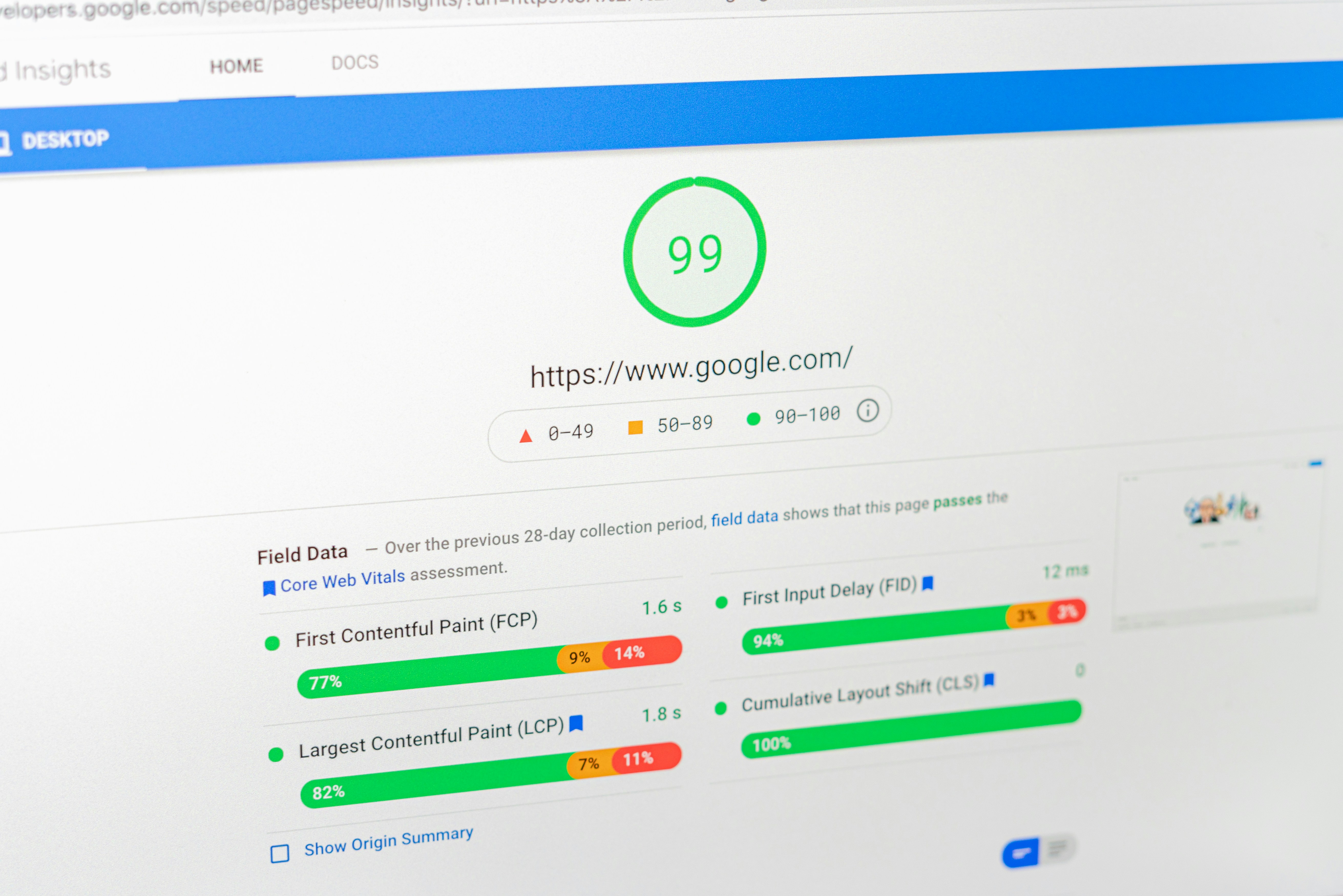
Measuring your website speed is a critical step in optimizing your site’s performance and ensuring that it meets user expectations. A variety of tools are available to help you assess how quickly your website loads and what potential improvements can be made. One of the most widely used tools is Google PageSpeed Insights. This tool provides a detailed analysis of your website’s speed on both desktop and mobile platforms.
To begin the assessment, enter your website’s URL into Google PageSpeed Insights. The tool will generate a score ranging from 0 to 100, with higher scores indicating better loading times. This score is based on multiple factors, including server response time, unoptimized images, and browser caching. Additionally, PageSpeed Insights offers suggestions for improvement, which can help you address various performance issues impacting your website speed.
Other useful metrics to consider include First Contentful Paint (FCP), Time to Interactive (TTI), and Largest Contentful Paint (LCP). FCP indicates how long it takes for the first text or image to be rendered, TTI assesses the time until a page is fully interactive, and LCP measures loading performance for the most substantial element on the page. Ideally, aiming for an LCP of less than 2.5 seconds is recommended to achieve a good user experience.
Furthermore, it’s essential to compare your results against industry benchmarks. Research suggests that a page load time of 3 seconds or less is optimal, as studies indicate that user engagement drops significantly after this threshold. By regularly monitoring your website speed and implementing the suggested optimizations, you can ensure that your site efficiently serves users and enhances both SEO and conversion rates.
Common Factors Affecting Website Speed
Website speed is crucial for ensuring a positive user experience and maintaining effective search engine optimization (SEO). Several common factors can contribute to slower loading times, negatively impacting both user retention and search rankings.
One of the primary issues influencing website speed is server response time. This refers to the time taken by a web server to respond to a request from a browser. A slow server can significantly delay the loading of a webpage, often due to high traffic volumes or subpar hosting services. Therefore, it is essential to choose a reliable hosting provider that can effectively handle website traffic.
Another critical factor is the size of files hosted on the website. Larger files, such as scripts, stylesheets, and multimedia content, can drastically lengthen loading times, as they require more time to download. To improve website speed, it is advisable to optimize these files, reducing their size without compromising quality. Compression techniques can be applied to images and scripts to ensure they load more quickly.
Images are especially notable culprits when discussing website speed. High-resolution images, while visually appealing, can slow down a site considerably if not optimized properly. Utilizing appropriate image formats and implementing responsive image techniques can enhance website loading speeds considerably.
Additionally, poorly coded scripts and excessive plugins may also hinder website performance. It is beneficial to regularly audit all scripts, plugins, and third-party integrations to ensure that they are not adding unnecessary load times. Implementing asynchronous loading for JavaScript and CSS files can further contribute to a smoother and faster user experience.
In summary, understanding the common factors affecting website speed is essential for any website owner looking to enhance their site’s performance and, consequently, its SEO and conversion rates.
Conducting a Technical Audit for Speed Optimization
To enhance website speed, it is essential to conduct a thorough technical audit that identifies existing bottlenecks and inefficiencies. This audit serves as a foundational step toward optimization, ensuring the site operates at its maximum potential. Here, we outline a step-by-step process to assist in conducting a robust technical audit.
First, establish a baseline for your website’s current load time. Tools such as Google PageSpeed Insights, GTmetrix, or WebPageTest can provide detailed analyses of your site’s performance. These tools evaluate page load times and highlight specific elements causing delays, allowing for targeted improvements.
Next, examine server response times. Slow server responses can severely hinder speed. Consider utilizing a Content Delivery Network (CDN) to distribute site content globally, reducing latency. Alternatively, analyze your hosting plan upgrading to a more robust solution may yield significant speed improvements.
Subsequently, assess the size and quantity of images on your website. Large, unoptimized images can drastically slow down load times. Utilize image compression tools, such as TinyPNG or ImageOptim, to reduce file sizes without compromising quality. Evaluate every aspect of your media files and remove any unnecessary elements that contribute to slow performance.
Furthermore, take stock of your website’s code. Excessive CSS and JavaScript can be detrimental to speed. Employing minification and concatenation techniques can help streamline code, enhancing website efficiency. Use tools like Minify or Uglify to aid in this process.
Lastly, consider implementing lazy loading techniques. Lazy loading delays the loading of images or videos until they are needed, effectively reducing initial load times and improving overall user experience. This is particularly beneficial for pages with extensive multimedia content.
In conclusion, by meticulously conducting a technical audit, you can identify speed-related issues affecting your website. Addressing these areas will not only boost site performance but also positively impact SEO rankings and conversion rates.
SEO Implications of a Slow Website
Website speed is critical not only for user experience but also for search engine optimization (SEO) rankings. Various studies indicate a strong correlation between page loading time and a site’s performance in search engine results. According to Google, a delay of just one second in page load time can decrease conversion rates by up to 20% and increase bounce rates significantly, impacting your organic traffic.
The implications are further solidified by research conducted by Akamai, which reveals that 47% of consumers expect a webpage to load in two seconds or less. This expectation translates into a tangible impact on SEO, as search engines like Google prioritize fast-loading sites in their algorithms. Page experience signals, introduced in Google’s core updates, take into account factors such as loading performance, interactivity, and visual stability, making it essential for websites to maintain optimal speed.
Case studies also showcase the direct effects of speed on site rankings. For instance, an extensive analysis by Backlinko showed that pages ranking in the top positions were notably faster than those lower on the list—averaging load times of 1.2 seconds compared to 2.5 seconds for the sites ranking in the bottom half of search results.
Furthermore, when considering mobile optimization, the speed becomes even more pronounced. With the increasing prevalence of mobile users, Google has shifted to mobile-first indexing. If a mobile site is slow, users are likely to abandon it, leading to poor organic rankings and reduced visibility. As a result, businesses that invest in optimizing their website speed not only improve user engagement but also enhance their overall position on search engine results pages. Addressing slow website performance is therefore essential for maximizing SEO success and organic search traffic.
Conversion Rates and User Experience
Website speed is a critical component of both user experience and conversion rates. Research has consistently shown a direct correlation between page load times and the likelihood of users completing desired actions, such as making a purchase or signing up for a newsletter. In fact, studies indicate that nearly 53% of mobile users will abandon a site that takes longer than three seconds to load. This statistic alone underscores the urgency for businesses to prioritize website performance.
Moreover, Google has indicated that site speed is a ranking factor for SEO. This means that not only does a slow website deter users, but it also potentially affects its visibility on search engines. The first impression a visitor has is often determined by how quickly the website loads. If individuals encounter delays, they are more likely to perceive the brand as untrustworthy or unprofessional, which can harm the company’s reputation and hinder potential sales. The psychological aspect of this effect cannot be underestimated; users equate speed with efficiency and reliability.
Statistics reveal that for every one-second delay in page load time, conversions can fall by as much as 7%. Therefore, a sluggish website can significantly diminish revenue opportunities. Furthermore, a seamless user experience encourages longer on-page times, which increases the likelihood of conversions. Websites that load quickly not only make navigation easier but also enhance user satisfaction. This satisfaction translates into users returning to the site and recommending it to others, creating a positive feedback loop that benefits businesses overall.
In conclusion, website speed plays a pivotal role in shaping user experience and improving conversion rates. By investing in faster loading times, businesses can ensure that they capture and retain their audience’s attention effectively, ultimately leading to increased sales and customer loyalty.
Practical Tips to Improve Website Speed
Improving website speed is crucial for both user experience and search engine optimization (SEO). Here are several practical strategies that you can implement to enhance the speed of your website effectively.
One of the first steps in boosting website speed is image optimization. Large image files can significantly slow down page loading times. Utilize image compression tools to reduce file sizes without sacrificing quality. Additionally, consider using image formats such as WebP, which offers higher compression rates compared to traditional formats like JPEG and PNG. Furthermore, ensure that images are properly sized so that they fit well into the design without requiring browser rescaling.
Another effective method is leveraging browser caching. This technique allows browsers to store certain elements of your website, such as images, style sheets, and scripts, on a user’s device. When visitors return to your site, their browser can load these resources faster, reducing loading times. Configure your server settings to set appropriate cache durations, ensuring that frequently visited pages load quickly.
Additionally, utilizing a Content Delivery Network (CDN) can significantly enhance your website speed. CDNs distribute your site’s static content across multiple servers located worldwide. When a user visits your site, the CDN serves the content from the closest geographical server, resulting in quicker load times. This is particularly beneficial for businesses with a global audience, as it minimizes delays caused by distance.
Lastly, it is essential to minimize HTTP requests. Every element on a webpage contributes to loading time, so reducing the number of components such as stylesheets, scripts, and images can greatly enhance speed. Combine files when possible and eliminate unnecessary scripts or plugins that may slow down your website.
By implementing these strategies, you can achieve improved website speed, which will positively influence both your SEO rankings and conversion rates.
Continuous Monitoring and Improvement
In today’s digital landscape, maintaining optimal website speed is critical for both search engine optimization (SEO) and user experience. However, achieving and sustaining this speed is not a one-time task; it requires continuous monitoring and improvement. As technology evolves and new web practices emerge, the need for regular assessments becomes ever more important.
Employing tools such as Google PageSpeed Insights, GTmetrix, and Pingdom can significantly aid in the ongoing evaluation of website performance. These tools provide valuable insights into loading times, performance issues, and areas for enhancement. By regularly checking these metrics, website administrators can identify potential bottlenecks that may slow down their sites and affect SEO rankings and conversion rates.
In addition to monitoring existing performance, it is crucial to stay informed about the latest developments in web technology. As improvements are made in web development practices, such as advances in JavaScript frameworks and image optimization techniques, incorporating these innovations can have a profound impact on website speed. For instance, utilizing responsive images, minifying CSS and JavaScript files, and implementing lazy loading can drastically reduce loading times.
Furthermore, as user behavior and expectations change, adapting to these shifts can aid in sustaining a fast-loading site. Mobile browsing, for example, has surged, and ensuring that mobile versions of websites are optimized for speed can directly influence user retention rates and engagement levels.
In summary, ongoing monitoring of website speed, coupled with the integration of new technologies and practices, serves as a cornerstone for maintaining optimal performance. This proactive approach not only enhances SEO but also significantly improves conversion rates, fostering a more successful online presence.